How to Make Money Proofreading in 2026: The Complete Beginner's Guide to Earning $25-$50/Hour From Home
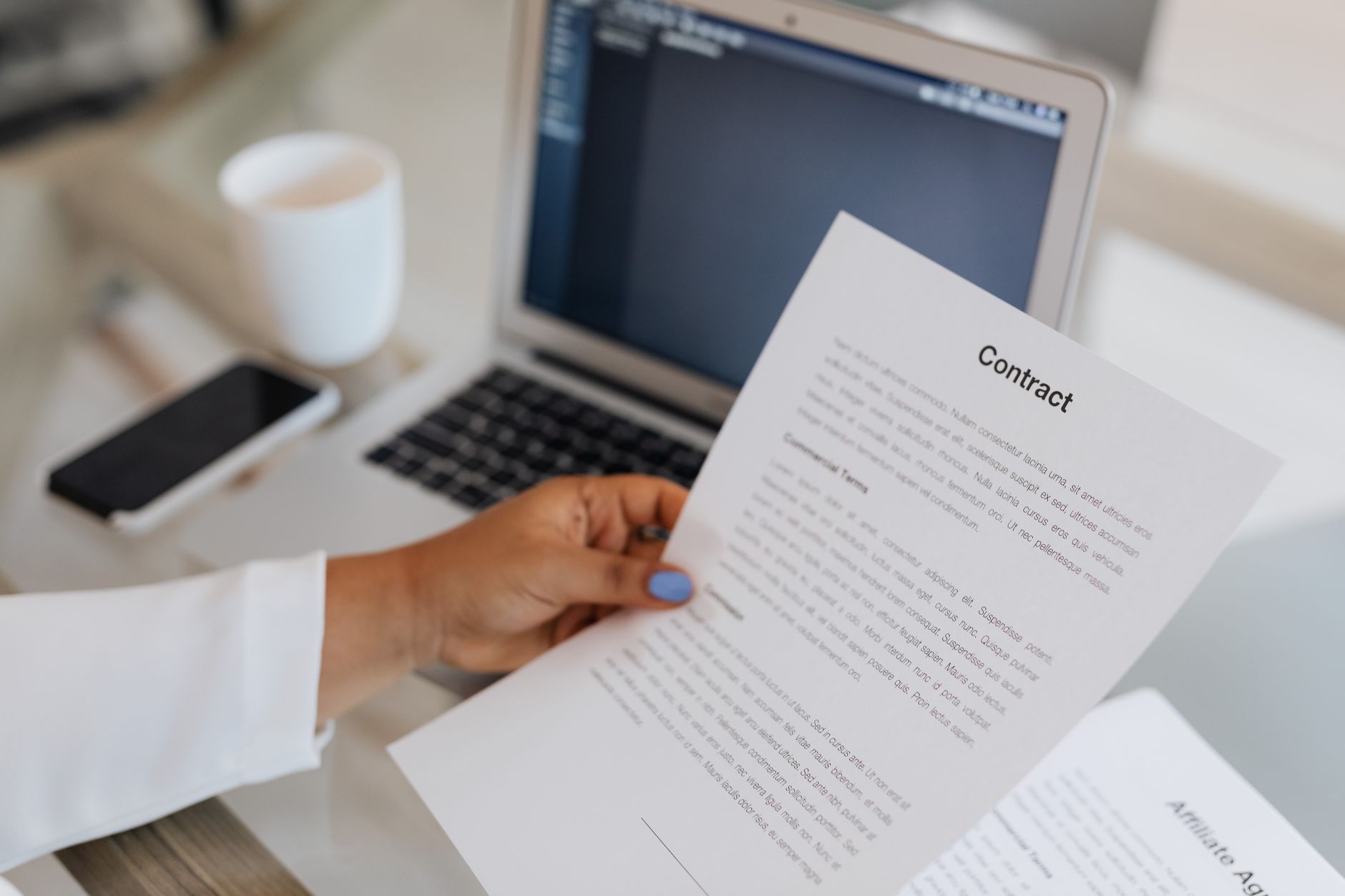
The content creation boom isn’t slowing down—it’s exploding. With AI tools churning out millions of words daily and businesses publishing more content than ever before, the demand for human proofreaders has reached an all-time high. Companies learned the hard way that AI-generated content still needs human eyes to catch embarrassing errors, awkward phrasing, and factual mistakes that slip through automated checkers.
If you’ve ever spotted a typo in a published article and thought “I could do better,” you’re sitting on a profitable skill. Learning how to make money proofreading doesn’t require an English degree or years of experience—just sharp attention to detail, reliable grammar knowledge, and the willingness to start small.
This guide breaks down exactly how to launch a proofreading side hustle in 2026, from the skills you actually need to the platforms paying real money right now.
What Proofreading Actually Pays in 2026
Let’s talk numbers first, because that’s what matters.
Entry-level proofreaders working through platforms like Upwork or Fiverr typically earn $15-$25 per hour when starting out. That might not sound life-changing, but remember—this is work you can do from your couch at 10 PM while binge-watching Netflix.
Experienced proofreaders with specialized niches command significantly more:
- Academic proofreading: $25-$40/hour
- Legal document proofreading: $35-$60/hour
- Medical transcription proofreading: $30-$50/hour
- Book manuscript proofreading: $0.01-$0.02 per word (roughly $25-$45/hour for average reading speed)
The real magic happens when you transition from hourly platform work to direct clients. Freelance proofreaders with established client bases report earning $40-$75/hour, with some specialists charging $100+ for technical or legal documents.
According to recent freelance market data, proofreaders working 15-20 hours weekly earn an average of $1,800-$3,200 per month. Not bad for a side hustle that requires zero inventory, no shipping, and minimal startup costs.
Skills You Actually Need (Spoiler: Not an English Degree)
Here’s what surprises most people: you don’t need formal credentials to start proofreading professionally. You need demonstrable skills and the confidence to deliver quality work.
The non-negotiables:
- Strong grasp of grammar, punctuation, and spelling rules
- Ability to spot inconsistencies in formatting, tone, and style
- Familiarity with major style guides (AP, Chicago Manual of Style, MLA)
- Ruthless attention to detail (you’ll read the same paragraph five times)
- Basic tech skills (Microsoft Word track changes, Google Docs suggesting mode, PDF annotation)
Nice-to-haves that boost your rates:
- Knowledge of specific industries (legal, medical, technical, academic)
- Familiarity with proofreading marks and symbols
- Experience with content management systems like WordPress
- Understanding of SEO basics (huge for web content proofreading)
The fastest way to level up? Take a proofreading course. Not because you need a certificate to get hired, but because structured training fills knowledge gaps you didn’t know existed. Courses like Proofread Anywhere or Knowadays (formerly Proofreading Academy) run $200-$500, but they teach you industry standards, client management, and how to actually find work—not just grammar rules.
Alternatively, create your own training program: proofread free content on Medium, volunteer to edit for nonprofits, or offer discounted services to local businesses while building your portfolio.
Where to Find Proofreading Jobs That Actually Pay
The proofreading job market splits into three tiers, and understanding each helps you strategize your approach.
Tier 1: Freelance Platforms (Start Here)
These platforms offer immediate access to clients but lower rates and high competition:
- Upwork: Create a profile highlighting any writing, editing, or detail-oriented work. Bid on proofreading jobs starting at $15-$25/hour. Yes, you’ll compete against overseas proofreaders charging $5/hour, but clients seeking quality pay premium rates for native English speakers.
- Fiverr: Package your services (e.g., “I’ll proofread 1,000 words in 24 hours for $15”). The platform takes 20%, but it’s excellent for building reviews and testimonials.
- Freelancer.com: Similar to Upwork with slightly less competition. Good for landing your first few gigs.
Tier 2: Specialized Proofreading Platforms (Level Up)
Once you have samples and testimonials, apply to platforms that vet proofreaders:
- ProofreadingServices.com: Pays $19-$46/hour depending on turnaround time. Requires passing a 20-minute screening test.
- Scribendi: Focuses on academic and business documents. Requires a degree, but pays competitively ($20-$30/hour average).
- Wordvice: Specializes in academic and admissions essay proofreading. Pays $25-$35/hour for experienced editors.
Tier 3: Direct Clients (The Goal)
This is where real money lives. Strategies that work in 2026:
- Cold outreach to content agencies: Marketing agencies constantly need proofreaders. Email 10 agencies weekly offering your services.
- Network in writing communities: Join Facebook groups for bloggers, authors, and content creators. When someone mentions needing an editor, you’re there.
- Partner with freelance writers: Writers hate proofreading their own work. Offer revenue splits or referral fees.
- Target self-published authors: Amazon KDP has created millions of indie authors who desperately need affordable proofreading. Charge $0.008-$0.012 per word to start.
Building Your Proofreading Business (The Practical Steps)
Here’s your 30-day launch plan:
Week 1: Foundation
- Take a free grammar assessment (Grammarly’s blog has excellent resources)
- Set up profiles on Upwork and Fiverr
- Create 3-5 portfolio samples by proofreading public domain content or volunteer work
- Set your initial rate at $15-$20/hour or $0.008-$0.01 per word
Week 2: First Clients
- Apply to 5-10 jobs daily on freelance platforms
- Join 3-5 Facebook groups for writers and bloggers
- Offer a “first project discount” to build reviews
- Proofread a friend’s blog or business documents for free in exchange for a testimonial
Week 3: Systems
- Create a simple contract template (Google “freelance proofreading contract template”)
- Set up a PayPal or Wise account for payments
- Develop a proofreading checklist (consistency, formatting, grammar, punctuation, spelling, factual accuracy)
- Track your time to calculate your actual hourly rate
Week 4: Optimization
- Raise rates by $5/hour after completing 5-10 projects
- Ask satisfied clients for referrals
- Apply to 2-3 specialized proofreading platforms
- Create a simple website or portfolio using Carrd or WordPress
Essential tools that pay for themselves:
- Grammarly Premium ($12/month): Catches basic errors so you focus on style and flow
- ProWritingAid ($20/month): Deeper analysis of readability and consistency
- PerfectIt ($70/year): Checks consistency in spelling, hyphenation, and formatting—essential for long documents
Common Mistakes That Kill Proofreading Careers
Most new proofreaders fail for predictable reasons. Avoid these traps:
Underpricing to compete: Racing to the bottom attracts nightmare clients who demand endless revisions. Charge fairly and target clients who value quality.
Proofreading your own samples: You can’t catch your own errors. Always have someone else review your portfolio pieces or use them as “before and after” examples with permission.
Ignoring contracts: Even a simple email agreement protects you. Specify scope, turnaround time, revision policy, and payment terms.
Taking every project: Specializing in 2-3 niches (e.g., romance novels, business blogs, academic papers) lets you charge more and work faster as you learn industry-specific conventions.
Perfectionism paralysis: You’re proofreading, not rewriting. Fix errors, flag inconsistencies, but don’t impose your personal style preferences unless asked.
Start Proofreading This Week
Learning how to make money proofreading isn’t complicated—it just requires consistent action. The barrier to entry is refreshingly low compared to most side hustles, and the work scales beautifully from a few hours weekly to a full-time income.
Your first step is stupidly simple: proofread something today. Find a blog post with errors, correct it, and use it as your first portfolio sample. Create that Upwork profile tonight. Apply to three jobs tomorrow.
The content explosion isn’t slowing down, and neither is the demand for human proofreaders who can catch what AI misses. Six months from now, you could be earning an extra $1,500-$2,500 monthly working flexible hours from anywhere with WiFi.
The only question is whether you’ll start today or keep scrolling past opportunities while someone else builds their proofreading business. Your move.